Pyrite · for kids 8–12
Fool’s Gold vs. Real Gold: 5 Tests to Tell Them Apart
You spot a shiny, golden glint in a creek or a rock pile. Your heart jumps — gold?! Maybe. But there’s a famous trickster that has fooled gold hunters for hundreds of years. Here’s how to tell the difference like a real geologist.
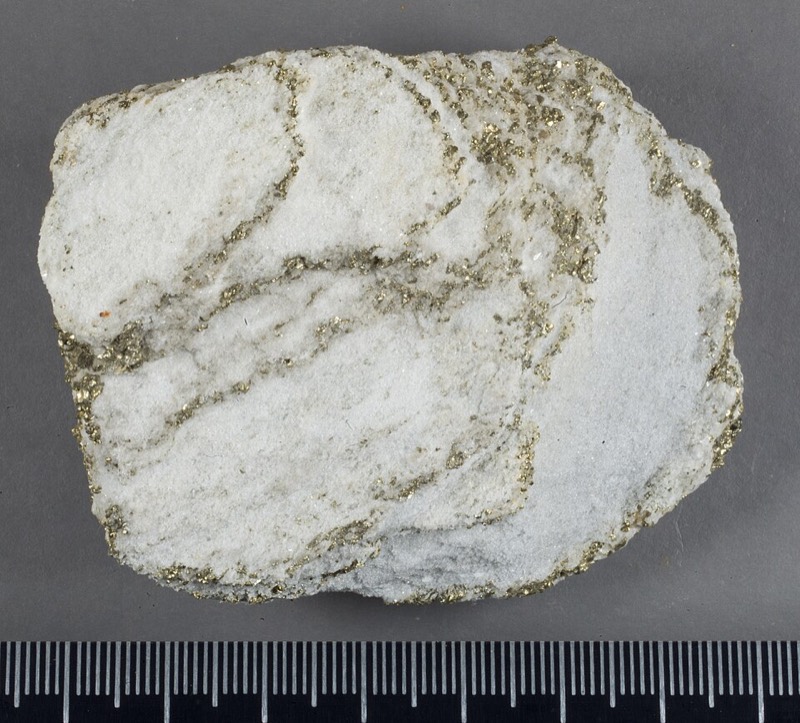
What is fool’s gold?
“Fool’s gold” is the nickname for pyrite, a mineral made of iron and sulfur. It’s brassy, shiny and gold-colored, so it fooled plenty of miners during gold rushes — that’s how it got the name.
Its real name is cool too. “Pyrite” comes from the Greek word for fire, because striking it against steel or flint can make sparks. Long ago, people used it to start fires and in early guns.
Real gold is a chemical element all by itself. It’s soft, super heavy, and never rusts or tarnishes. Most gold that people find in nature comes as tiny flakes or small nuggets, not big shiny chunks.
5 tests to tell them apart
TEST 01The streak test
This is the best test. Rub the mineral on the rough, unglazed back of a white tile.
- Pyrite leaves a greenish-black streak.
- Gold leaves a golden-yellow streak.
Same golden color on the outside, totally different powder. Busted!
TEST 02The scratch test
Gold is soft — only about 2.5 to 3 on the Mohs hardness scale, about the same as your fingernail or a copper coin. Pyrite is much harder, about 6 to 6.5. Try a steel nail: it scratches gold easily, but it won’t scratch pyrite. (Do this on a speck you don’t mind marking!)
TEST 03The squish test
Gold bends. Press a tiny flake with the tip of a pin and it dents or flattens, like modeling clay. Pyrite is brittle. Press hard enough and it cracks or crumbles into powder.
TEST 04Look at the shape
Pyrite loves geometry. It often grows into near-perfect cubes, sometimes with fine parallel lines across the faces, as if someone drew them with a ruler. Gold almost never makes neat crystals like that. It usually shows up as rounded nuggets, flakes or thin wires.
Check the color in the shade, too. Gold stays warm buttery-yellow from every angle. Pyrite is paler and brassier, and it can tarnish brown over time.
TEST 05Feel the weight
Gold is one of the heaviest things on Earth — almost four times heavier than the same-sized piece of pyrite. Gold panners use this: when you swirl a pan of gravel in water, the heavy gold sinks to the bottom while lighter stuff washes away.
Side-by-side
| Clue | Fool’s gold (pyrite) | Real gold |
|---|---|---|
| Streak | Greenish-black | Golden-yellow |
| Hardness | 6–6.5 (a steel nail can’t scratch it) | 2.5–3 (a steel nail scratches it) |
| Press it | Cracks and crumbles | Bends and flattens |
| Shape | Often cubes with lines | Nuggets, flakes, wires |
| Color | Pale brassy, may tarnish | Warm yellow, never tarnishes |
| Weight | Heavy-ish | Very, very heavy |
Other golden tricksters
- Chalcopyrite is a copper mineral that looks brassy-gold, often with a greenish tint, and can tarnish into rainbow colors. Like pyrite, its streak is greenish-black.
- Mica flakes in a creek can glitter gold in the sunlight. But they’re light, they flake into thin sheets, and they float around when you swirl the water instead of sinking.
Why pyrite is still a great find
Don’t be sad if you found fool’s gold! Pyrite cubes are some of the most amazing natural shapes on the planet, and collectors love them. Sometimes ancient shells, like spiral ammonites, even got turned into shiny pyrite fossils. And here’s a twist: pyrite sometimes holds tiny traces of real gold, far too small to see, mixed right into it.
Want more tests? The same streak and scratch tricks work on almost any rock — see our kid’s guide to identifying rocks. And if you like hidden treasure, don’t miss how geodes grow crystal caves.